Buying Guides
Foldable Pallet Boxes: A Manual-Handling Workstation Check
Use this bounded pre-rollout check to decide whether folding, locking, stacking, or moving a foldable pallet box is suitable at a real workstation.
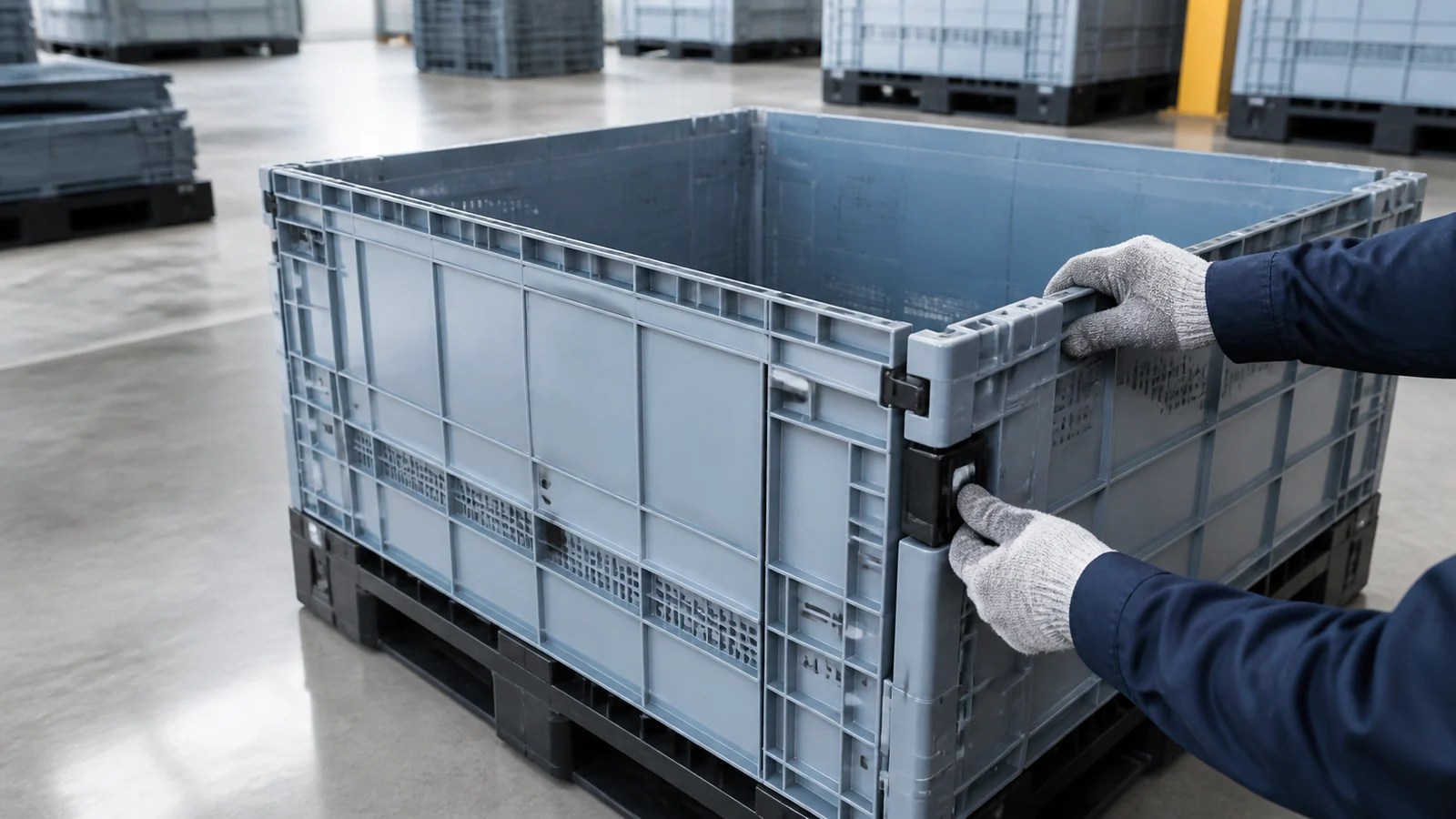
A foldable pallet box can save return space without making its fold-and-lock work automatically suitable for every team or station. Before a rollout, observe the actual sequence: open, close, release or engage locks, stack empty units, move the unit, and deal with a damaged or reluctant mechanism. The right decision is about the task, the exact box, the workplace, the people doing it, and the available handling aids—not the box’s footprint alone.
This is a pre-rollout procurement and operations tool. It does not set a universal safe weight, approve a box model, replace the manufacturer’s instructions, or substitute for a competent local risk assessment. The UK Health and Safety Executive (HSE) advises assessing unavoidable hazardous manual handling in the context of the task, load, environment, and individual capability. HSE assessment guidance .
Start with a real workstation, not a catalog demonstration
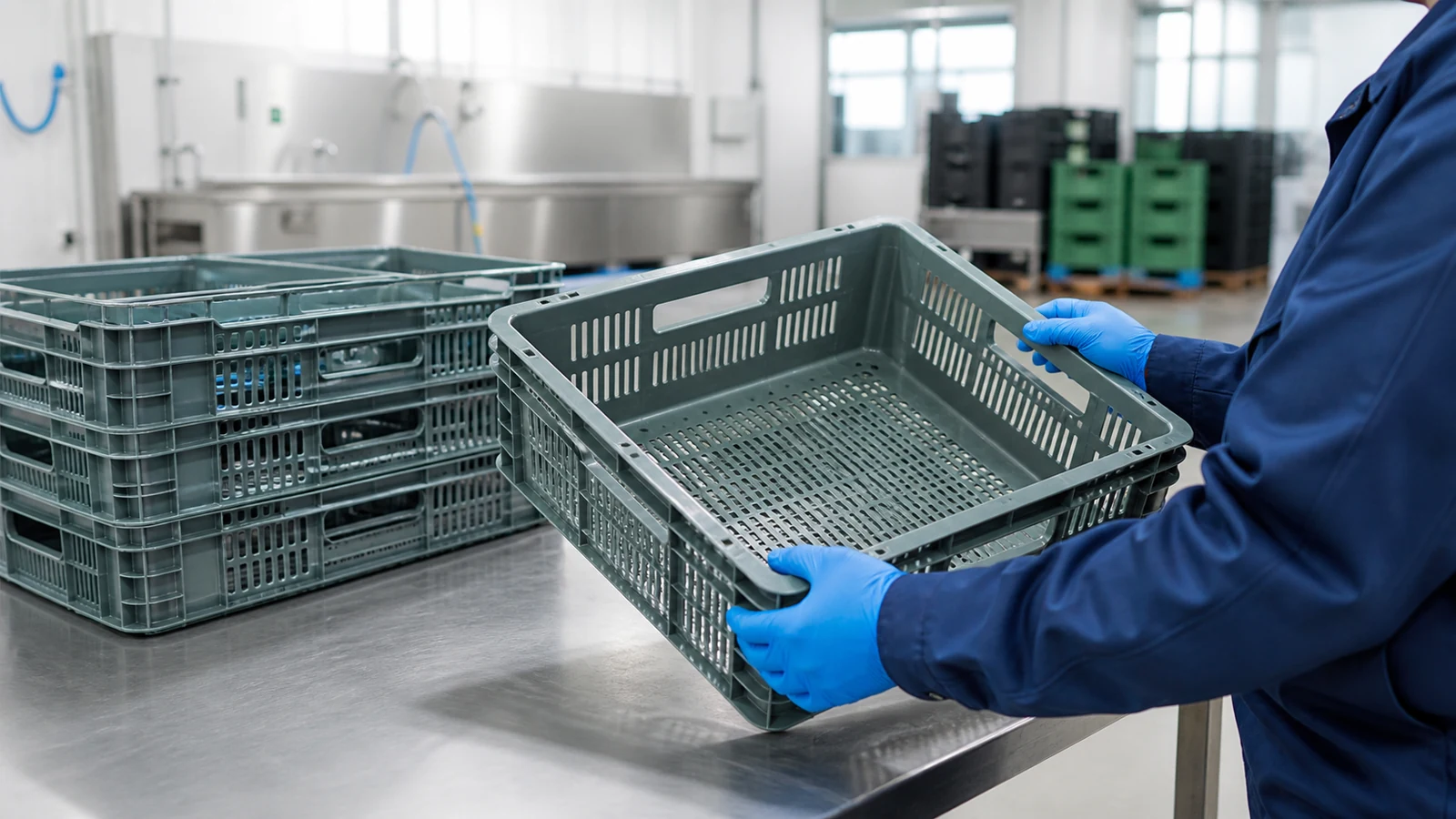
Record one representative box configuration, the empty and loaded states that operators will encounter, and the full sequence at the proposed station. Include shift frequency, expected peak volume, floor condition, aisle clearance, temperature, gloves or other PPE, and the equipment available. Ask operators to demonstrate normal work and the awkward exceptions: a stiff lock, a damaged panel, a mixed stack, or a unit that arrived dirty or misaligned.
Do not turn a simple observation into a blanket approval. HSE’s filters are indicators for deciding when more detailed assessment is needed; they are not legal or universal “safe limits.” HSE manual-handling filters .
Use the workstation decision table
| Work step | Confirm before rollout | Hold and escalate when |
|---|---|---|
| Open or fold sidewalls | The sequence is clear, hands can stay clear of pinch points, and the operator can work without excessive reach, twist, force, or unstable posture. | A panel sticks, requires forceful pulling, creates a trapping risk, or the sequence depends on an undocumented workaround. |
| Engage or release locks | The lock state is visible, the mechanism is intact, and the instruction is available in the operator’s working language. | Lock engagement is uncertain, a latch is damaged, operators bypass it, or a partially folded box can enter the next step. |
| Stack or separate empty boxes | The stack pattern, height, floor area, and handling method are defined for the exact configuration. | Empty units lean, interlock unpredictably, require reaching above a controlled work zone, or damaged units mix into the stack. |
| Move the box | The chosen pallet truck, forklift, trolley, conveyor, or manual method fits the actual box and route. | The route has slopes, poor surfaces, tight turns, obstructions, poor visibility, or a force/posture issue that was not assessed. |
| Handle exceptions | A clearly identified owner can quarantine damage, unclear lock status, contamination, or a changed box revision. | The team has no hold area, no escalation owner, or no supplier/manufacturer instruction for the exception. |
The first outcome can be proceed with the defined method. The second is proceed only after a controlled change, such as better layout, a handling aid, revised stack rule, or clearer work instruction. The third is hold for a more detailed assessment. Choose the third whenever the task includes significant force, twisting, repetitive work, difficult grip, constrained space, variable conditions, or a near miss. Do not solve a design or layout problem by asking operators simply to “lift carefully.”
Turn the check into an RFQ and launch record
Keep the commercial and operational questions together:
| Record | Why it matters |
|---|---|
| Exact model, size, empty mass, sidewall/lock configuration, and revision | A similar-looking box can have a different folding sequence or hand position. |
| Manufacturer instructions, damage limits, and care guidance | The supplier explains the product; the operating site decides how it can be used safely in its own task. |
| Intended work sequence and peak frequency | A single demonstration does not show the effort of a recurring shift task. |
| Workstation drawing or photos, route, floor condition, and handling aids | These identify reach, space, push/pull, and stacking conditions that catalog data cannot prove. |
| Operator feedback, observed exceptions, and an escalation owner | The people doing the task can expose practical problems before the purchase becomes a fleet-wide issue. |
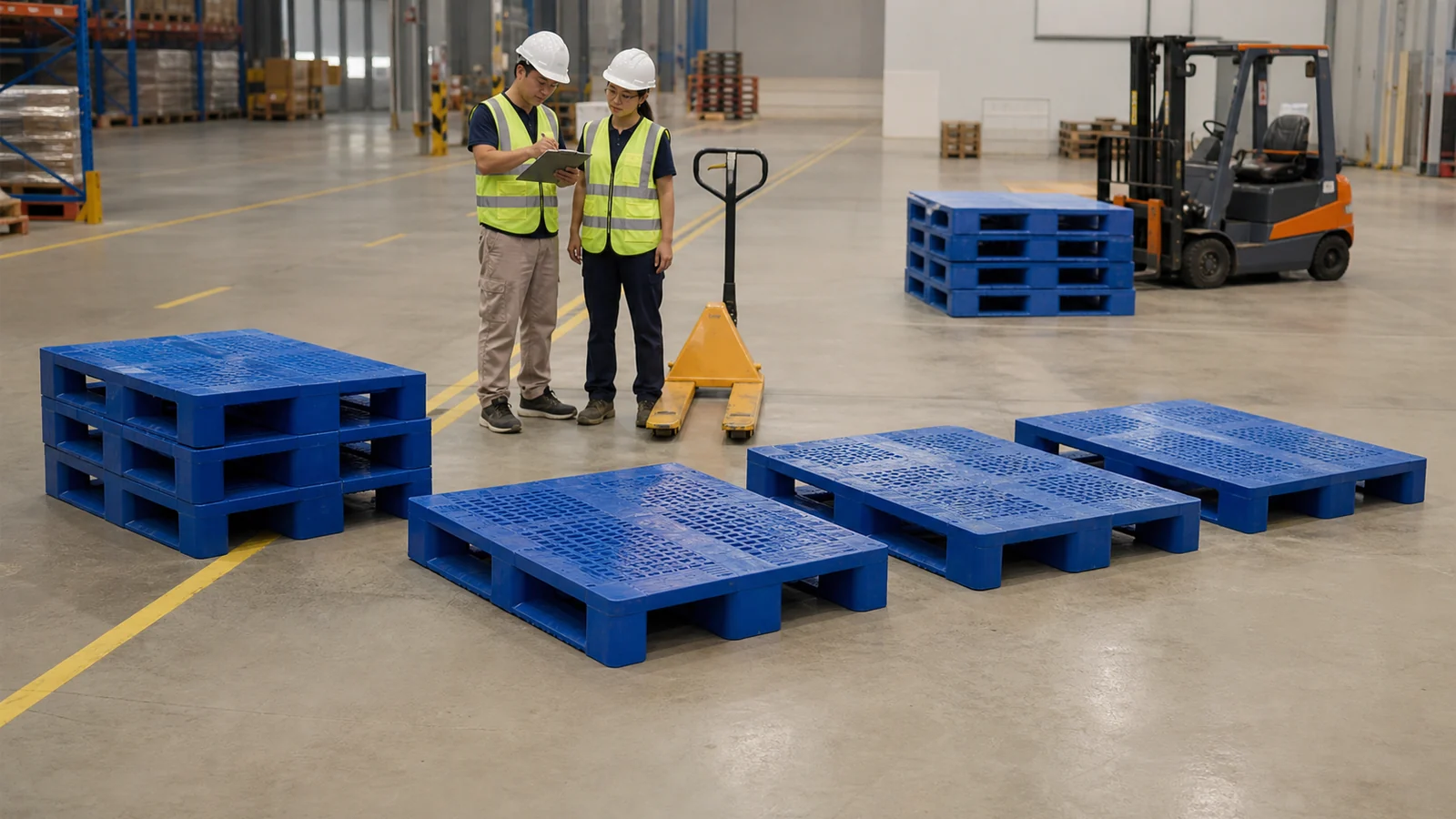
If a return loop depends on foldability, assess the folding task and the return-space calculation separately. Foldable pallet box return-space calculation helps test the logistics case; this page decides whether the proposed workstation needs a changed method, a handling aid, or a fuller review. For the wider choice between a pallet, box, or tote, use the load carrier selection guide .
Evidence boundary and confirmation
HSE guidance is UK guidance. It supports a structured way to observe manual-handling risk, but it does not certify a particular foldable pallet box or determine the law, work method, training, or controls at your site. Manufacturer instructions, actual box condition, local legal duties, employee consultation, risk assessment, and customer requirements all require responsible human confirmation.
Use this check before approving a bulk order or changing a return-loop workstation. If the task changes—new model, lock revision, operator group, stack pattern, route, floor, temperature, handling equipment, or daily volume—recheck the decision rather than inheriting the old approval.